
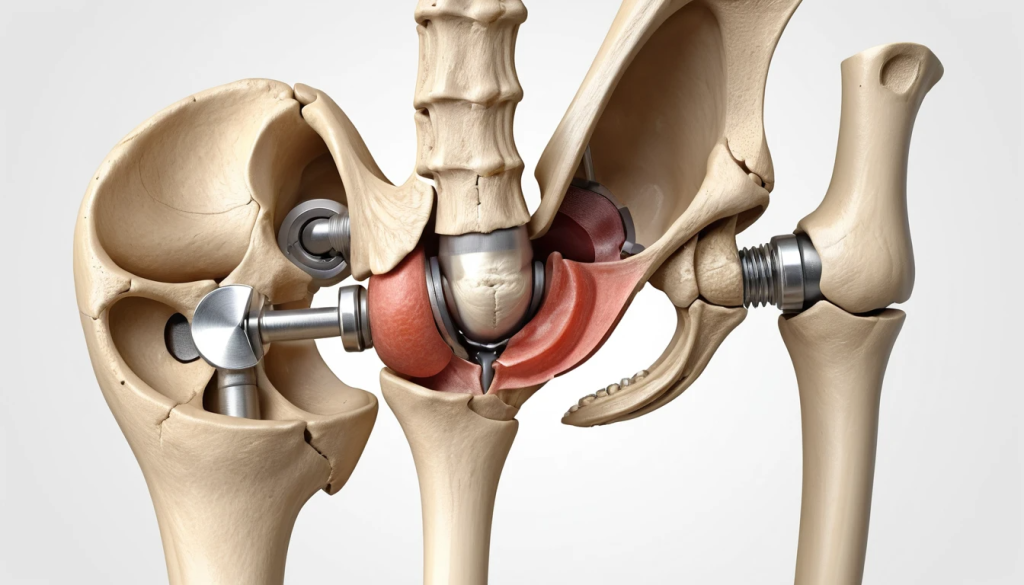
Hip nails explained in simple terms—types, surgery, recovery, risks, and benefits to help you heal faster and move confidently again.
Hip nails are metal rods or screws used in surgery to stabilize broken hip bones. They help the bone heal properly, reduce pain, and restore mobility. Doctors insert them during a procedure called internal fixation, making recovery faster and more effective for most patients.
Hip Nails: A Complete Guide To Treatment And Recovery 🦴
Ever wondered how doctors fix a broken hip so you can walk again?
Hip nails are one of the most effective tools used in modern orthopedic surgery. When a hip bone breaks, it needs strong support to heal. That’s where hip nails come in. They hold the bone pieces in place so your body can repair itself.
Let’s break everything down in simple terms so you can understand how it works and what to expect.
What Are Hip Nails? 🔍
Hip nails are metal rods or screws inserted into the thigh bone (femur). They help stabilize fractures in the hip area. These nails are usually made of stainless steel or titanium.
They sit inside the bone, acting like an internal support system. This allows the bone to heal in the correct position. Most patients cannot feel them once healing is complete.
Why Are Hip Nails Used? 🤕
Doctors use hip nails mainly for hip fractures. These injuries often happen due to falls, especially in older adults. The goal is to fix the bone quickly and safely.
Here’s why they’re preferred:
- Strong internal support
- Faster healing
- Less need for external braces
- Early mobility after surgery
“Stability is the key to healing, and hip nails provide exactly that.”
Types Of Hip Nails Used In Surgery ⚙️
There are different types of hip nails depending on the fracture type. Each serves a specific purpose.
| Type | Description | Best For |
| Intramedullary Nail | Inserted inside the bone canal | Severe fractures |
| Gamma Nail | Special design for hip fractures | Elderly patients |
| Dynamic Hip Screw | Allows controlled movement | Stable fractures |
Doctors choose the type based on your injury and health condition.
How Hip Nail Surgery Works 🏥
Hip nail surgery is called internal fixation surgery. It usually takes 1–2 hours. The surgeon makes a small incision near the hip.
They insert the nail into the bone using imaging guidance. Screws may be added to secure it in place. The incision is then closed carefully.
Most patients stay in the hospital for a few days after surgery.
Who Needs Hip Nail Surgery? 👨⚕️
Not everyone with hip pain needs this surgery. It’s mainly for people with fractured hip bones.
Common candidates include:
- Older adults with weak bones
- People with osteoporosis
- Patients after accidents or falls
Doctors evaluate your overall health before recommending surgery.
Benefits Of Hip Nails For Recovery 💪
Hip nails offer several advantages over other treatments. They make recovery smoother and more predictable.
Key benefits include:
- Faster bone healing
- Reduced pain over time
- Improved mobility
- Lower risk of complications
Patients often begin walking with support within days after surgery.
Risks And Possible Complications ⚠️
Like any surgery, hip nail procedures have some risks. These are usually rare but important to know.
| Risk | Description | Prevention |
| Infection | At surgical site | Proper hygiene |
| Blood clots | Due to immobility | Early movement |
| Implant failure | Nail loosening | Follow doctor’s advice |
Most complications can be avoided with proper care and follow-ups.
What To Expect After Surgery 🛌
Recovery starts immediately after surgery. You may feel some pain, but medication helps manage it.
Physical therapy begins soon after. This helps restore movement and strength. Walking aids like crutches or walkers are often used at first.
Healing takes time, but progress is steady.
Recovery Timeline With Hip Nails ⏳
Recovery varies from person to person. However, there’s a general timeline most patients follow.
| Timeframe | What Happens |
| 1–2 Weeks | Pain reduces, light movement begins |
| 4–6 Weeks | Improved walking ability |
| 3 Months | Significant healing |
| 6 Months | Near full recovery |
Patience and consistency are key during this phase.
Tips For Faster Healing 🚀
You can speed up recovery with the right habits. Small changes make a big difference.
Follow these tips:
- Eat calcium-rich foods 🥛
- Stay active as advised
- Attend all therapy sessions
- Avoid smoking
“Your body heals best when you support it daily.”
Role Of Physical Therapy 🏃♂️
Physical therapy is essential after hip nail surgery. It helps you regain strength and flexibility.
Therapists guide you through safe exercises. These improve balance and prevent falls. Over time, you’ll notice better movement.
Skipping therapy can delay recovery.
Pain Management After Surgery 💊
Pain is normal after surgery, but it can be controlled. Doctors prescribe medications to help you stay comfortable.
You may also use:
- Ice packs
- Gentle stretching
- Relaxation techniques
Pain usually decreases within a few weeks.
Diet And Nutrition For Bone Healing 🥗
What you eat plays a big role in healing. Your body needs nutrients to rebuild bone.
Important nutrients include:
- Calcium
- Vitamin D
- Protein
Foods like milk, eggs, and leafy greens are great choices.
When Can You Walk Again? 🚶♀️
Most patients start walking within a few days. However, full independence takes time.
You’ll begin with support like walkers or canes. Gradually, your strength improves. Always follow your doctor’s guidance.
Rushing can lead to setbacks.
Long-Term Outlook With Hip Nails 🌟
Hip nails are designed to last for many years. In most cases, they stay in the body permanently.
Patients can return to normal activities after recovery. Many regain full mobility and independence.
Regular check-ups ensure everything stays in place.
Can Hip Nails Be Removed? 🔄
Yes, hip nails can be removed, but it’s not always necessary. Removal is only done if problems occur.
Reasons for removal include:
- Pain or discomfort
- Infection
- Implant issues
Doctors carefully evaluate before recommending another surgery.
How To Prevent Hip Injuries In The Future 🛡️
Prevention is always better than treatment. You can reduce the risk of hip fractures with simple steps.
Helpful measures include:
- Keep your home safe
- Use non-slip mats
- Exercise regularly
- Maintain bone health
Strong bones are less likely to break.
Emotional And Mental Recovery ❤️
Recovery isn’t just physical. It also affects your mental health. Feeling anxious or frustrated is normal.
Stay connected with loved ones. Celebrate small progress steps. A positive mindset speeds up healing.
“Healing is both physical and emotional—give yourself grace.”
Conclusion 🧾
Hip nails play a crucial role in treating hip fractures. They provide strong internal support and help bones heal properly. With proper care, therapy, and patience, most patients recover well and regain mobility. Understanding the process helps you stay confident and prepared throughout your healing journey.
FAQs ❓
What Is Hip Nail Surgery Recovery Time?
Recovery usually takes 3 to 6 months. Early movement starts within days after surgery. Full healing depends on age and health.
Is Walking Safe After Hip Nail Surgery?
Yes, walking is encouraged with support. Doctors guide when and how to start. Gradual progress ensures safe recovery.
Do Hip Nails Stay In The Body Forever?
In most cases, yes. They are designed to remain permanently. Removal only happens if complications occur.
Are Hip Nails Painful After Healing?
Most patients feel little to no pain after healing. Mild discomfort may occur initially. It usually fades over time.
How Do You Sleep After Hip Nail Surgery?
Sleeping on your back is usually recommended. Use pillows for support and comfort. Avoid putting pressure on the operated side.