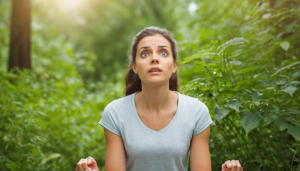

Anxiety stress calming backgrounds help reduce tension, soothe the mind, and create a peaceful space with relaxing visuals and colors.
Anxiety stress calming backgrounds are soothing visual designs, colors, and scenes that help relax your mind and lower stress levels. They create a peaceful environment by using soft colors, nature visuals, and minimal patterns that gently calm your thoughts and emotions over time.
Anxiety Stress Calming Backgrounds: A Soothing Guide For A Peaceful Mind 🌿
Ever notice how your mood changes just by looking at a calm sky or soft wallpaper? That is not random. Your brain reacts to visuals faster than words. So the background you see daily can quietly shape your stress levels.
Anxiety stress calming backgrounds are designed to reduce mental overload and create emotional balance. They use gentle colors, simple patterns, and relaxing visuals. These backgrounds work on phones, laptops, rooms, and even workspaces. When chosen well, they help you feel calmer, focused, and emotionally stable throughout the day.
What Are Anxiety Stress Calming Backgrounds? 🧠
Anxiety stress calming backgrounds are visual environments that promote relaxation and emotional comfort. They include soft wallpapers, peaceful nature scenes, pastel colors, and minimalist designs. These visuals reduce sensory overload and help your brain slow down.
Think of them as a visual safe space for your mind. When stress rises, chaotic visuals can increase tension. But calm backgrounds send a signal of safety and stillness. Over time, this reduces anxiety and improves mental clarity.
Many people now use calming backgrounds on:
- Phone lock screens
- Desktop wallpapers
- Meditation apps
- Study spaces
- Bedroom walls
Why Your Brain Responds To Calming Visuals 💡
Your brain processes visuals faster than sound or text. Soft images instantly lower mental alertness and reduce stress hormones. That is why peaceful visuals feel comforting without any effort.
Bright and cluttered backgrounds can overstimulate the brain. This leads to mental fatigue and anxiety. On the other hand, calming backgrounds create a gentle mental pause. They help your mind reset naturally.
Simple visuals = Less mental noise.
And less mental noise means more emotional balance.
How Calming Backgrounds Reduce Anxiety Naturally 🌊
Calming backgrounds work by slowing your nervous system. Soft visuals reduce sensory pressure and make your mind feel safe. This safety lowers anxious thoughts and emotional tension.
When your environment looks peaceful, your brain mirrors that feeling. It shifts from alert mode to relaxation mode. This helps improve breathing, focus, and emotional control.
Here is how they help daily:
- Reduce visual stress
- Improve mood stability
- Enhance focus during work
- Promote emotional calmness
- Support better sleep patterns
| Visual Element | Mental Effect | Stress Impact |
| Soft Colors | Relaxed mood | Lower anxiety |
| Nature Scenes | Emotional comfort | Mental calm |
| Minimal Designs | Clear thinking | Reduced overwhelm |
Best Colors For Stress Calming Backgrounds 🎨
Colors play a huge role in emotional health. Certain shades naturally relax the mind. Soft and muted tones are the best for anxiety relief.
Blue is known for peace and stability. Green connects to nature and healing. Beige and pastel tones create warmth and emotional softness. Avoid harsh neon colors if you feel anxious often.
Top calming colors include:
- Light blue
- Sage green
- Soft lavender
- Warm beige
- Pale pink
Gentle colors speak softly to the brain. And that softness reduces stress responses.
Nature Backgrounds And Their Healing Effect 🌄
Nature visuals are powerful stress reducers. Forests, oceans, clouds, and mountains create a sense of openness and peace. Your brain associates nature with safety and freedom.
Looking at nature scenes lowers heart rate and tension levels. Even digital nature wallpapers can provide similar calming benefits. That is why many therapy apps use nature visuals.
Popular nature calming backgrounds:
- Ocean waves
- Rain scenes
- Forest landscapes
- Sunset skies
- Waterfalls
Minimalist Backgrounds For Mental Clarity ✨
Too much visual detail can overwhelm your mind. Minimalist backgrounds remove distractions and create mental space. They use simple shapes, soft gradients, and clean designs.
This style is perfect for students, professionals, and anyone with anxiety. It helps your brain stay focused without extra stimulation. Less clutter on screen means less clutter in thoughts.
Simple visuals = Strong mental clarity.
Pastel Aesthetic Backgrounds For Emotional Comfort 🌸
Pastel backgrounds are soft and emotionally soothing. Their gentle tones reduce visual harshness and create a warm mental atmosphere. They are especially helpful for stress-sensitive minds.
Pastel pink, lavender, and baby blue are popular choices. These shades feel light and calming instead of intense. Many people use pastel wallpapers during stressful study or work hours.
They are ideal for:
- Study desktops
- Journaling apps
- Relaxation spaces
- Sleep screens
Dark Mode Calming Backgrounds For Night Anxiety 🌙
Bright screens at night can increase anxiety and restlessness. Dark calming backgrounds reduce eye strain and mental stimulation. This helps your mind prepare for sleep.
Soft dark gradients, starry skies, and dim landscapes work well. They create a cozy and secure visual environment. Your brain feels less alert and more relaxed.
| Background Type | Best Use Time | Mental Benefit |
| Dark Gradients | Night | Reduced eye stress |
| Starry Themes | Evening | Emotional calm |
| Soft Black Minimal | Late Work | Focus + Relaxation |
Animated Calming Backgrounds: Do They Help? 🎥
Animated calming backgrounds can be very effective. Slow-moving visuals like flowing water or drifting clouds create a hypnotic relaxation effect. They gently hold your attention without overwhelming you.
However, fast animations can increase anxiety. So choose slow, smooth motion visuals. Subtle movement is key to emotional calm.
Best calming animations include:
- Floating clouds
- Ocean waves
- Falling leaves
- Gentle rain loops
Using Calming Backgrounds For Study And Work 📚
A peaceful background can improve productivity. When your screen looks calm, your mind feels less pressured. This helps you focus longer without burnout.
Students especially benefit from calming study wallpapers. They reduce exam stress and mental fatigue. Even a simple soft gradient can improve concentration.
Tips for work setups:
- Use neutral tones
- Avoid cluttered designs
- Keep brightness low
- Choose soft visuals
Phone Wallpapers That Reduce Daily Stress 📱
Your phone is the most viewed screen daily. So your wallpaper matters more than you think. A chaotic wallpaper can trigger micro-stress all day.
Switching to a calming background creates emotional stability. Every glance becomes a mini relaxation moment. That small effect adds up over time.
Great choices include:
- Soft sky wallpapers
- Nature minimal themes
- Zen aesthetic visuals
- Calm abstract patterns
Calming Backgrounds For Meditation And Mindfulness 🧘
Meditation becomes easier with the right visual environment. Calm backgrounds reduce distractions and help your mind stay present. They create a peaceful mental anchor.
Soft mandalas, nature scenes, and gentle gradients work best. These visuals support slow breathing and emotional grounding. Your mind feels safer and more focused during mindfulness sessions.
Visual calm supports inner calm.
How To Choose The Right Calming Background 🎯
Not every calming background works for everyone. Your emotional triggers and preferences matter. Some people relax with nature scenes. Others prefer minimal soft colors.
Follow this simple selection guide:
- Choose soft colors
- Avoid bright patterns
- Pick low-contrast visuals
- Test how it makes you feel
- Keep it simple and soothing
| Preference Type | Recommended Background |
| High Anxiety | Nature + Soft Blue |
| Study Stress | Minimal Pastel |
| Sleep Issues | Dark Calm Themes |
DIY Calming Background Ideas At Home 🏡
You can create your own calming backgrounds easily. You do not need expensive tools. Simple design apps and soft color palettes work perfectly.
Try creating backgrounds using:
- Gradient color apps
- Soft texture images
- Blurred nature photos
- Minimal quote-free designs
Keep designs clean and gentle. Avoid adding text or heavy elements. Simplicity makes the biggest impact.
Common Mistakes When Choosing Stress Backgrounds ⚠️
Many people pick visually pretty wallpapers that are actually stressful. Bright neon colors and busy patterns can overstimulate the brain. This defeats the purpose of calming visuals.
Avoid these common mistakes:
- Using flashy designs
- Choosing high contrast colors
- Cluttered patterns
- Fast animations
- Overly dark or harsh themes
If it feels overwhelming, it is not calming.
Long-Term Benefits Of Using Calming Backgrounds 🌈
Using calming backgrounds daily builds emotional resilience. Over time, your mind becomes less reactive to stress triggers. Small visual calm leads to big mental stability.
Benefits include better focus, improved mood, and lower anxiety levels. It also helps with sleep and emotional balance. These small visual changes create long-term mental wellness.
Consistency is key. The more often you see calming visuals, the more relaxed your brain becomes.
Conclusion: Create A Calm Visual World For Your Mind 🌿
Anxiety stress calming backgrounds are more than just aesthetic choices. They shape how your brain reacts to stress and daily pressure. Soft colors, nature visuals, and minimalist designs work together to create emotional calm.
By choosing the right background for your phone, workspace, and environment, you build a peaceful mental space. Small visual changes can reduce anxiety, improve focus, and support emotional well-being. A calm screen can truly lead to a calmer mind.
FAQs
What Are The Best Calming Backgrounds For Anxiety?
Nature scenes, soft gradients, and pastel colors work best. These visuals reduce mental stimulation and promote relaxation. Simple and minimal designs are most effective.
Can Phone Wallpapers Really Reduce Stress?
Yes, calming wallpapers create small moments of visual relaxation. Your brain processes them repeatedly throughout the day. This lowers micro-stress and improves mood.
Which Colors Are Most Relaxing For Backgrounds?
Soft blue, sage green, lavender, and beige are highly calming. These colors reduce visual tension and emotional overload. They also support better focus and sleep.
Are Dark Backgrounds Better For Anxiety At Night?
Dark calming backgrounds reduce eye strain and mental alertness. They help your brain prepare for sleep. Soft dark tones are ideal for nighttime relaxation.
How Often Should I Change My Calming Background?
You can change it every few weeks to maintain freshness. However, keep the theme soft and peaceful. Consistency helps your brain stay emotionally stable.