
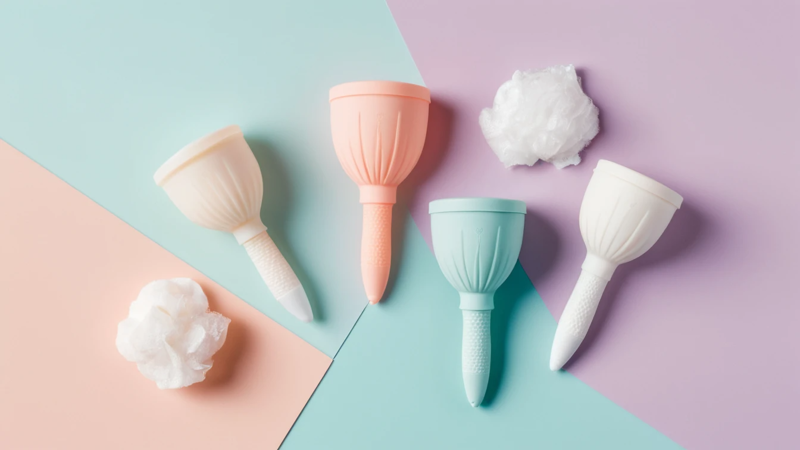
Compare tampons vs menstrual cups to see which option fits your lifestyle, comfort, cost, and health needs best.
Compare tampons vs menstrual cups comes down to comfort, cost, health, and daily lifestyle needs. Tampons are familiar and easy. Menstrual cups last longer, save money, and reduce waste. The best choice depends on your body, flow, and personal comfort.
Have you ever stood in the period care aisle wondering which option is actually better for you? 🤔 You’re not alone. Many people stick with what they know. But comparing tampons vs menstrual cups can completely change how you experience your period.
Here’s the simple truth. Tampons offer convenience and familiarity. Menstrual cups offer long-term comfort and sustainability. Neither is “one-size-fits-all.” Let’s break it down clearly and honestly.
Compare Tampons Vs Menstrual Cups 🩸
Understanding How Tampons Work 🧻
Tampons are small absorbent products inserted into the vagina to soak up menstrual blood. Most are made from cotton or rayon. They expand as they absorb fluid.
They come in different absorbency levels. This helps match light, regular, or heavy flow days. Many users like how discreet and easy they are.
Tampons are single-use. Once removed, they must be thrown away. This makes them simple but also creates more waste.
Understanding How Menstrual Cups Work 🌸
Menstrual cups are flexible cups made from medical-grade silicone or rubber. Instead of absorbing blood, they collect it. The cup sits lower in the vaginal canal.
You remove, empty, rinse, and reinsert it. One cup can last up to 8–12 hours. That’s a big plus for busy days.
Most menstrual cups are reusable for years. This makes them eco-friendly and cost-effective over time.
Ease Of Use For Beginners 😌
Tampons usually feel easier at first. Many people learn to use them as teens. Instructions are simple and widely known.
Menstrual cups require a learning curve. Folding, inserting, and positioning can feel tricky at first. Some users need a few cycles to get comfortable.
Once mastered, many cup users say it feels effortless. Confidence grows quickly with practice.
Comfort During Daily Activities 🏃♀️
Tampons can feel dry, especially on lighter days. This may cause discomfort during removal. Some users also notice pressure while sitting.
Menstrual cups adjust to your body shape. When inserted correctly, you often forget it’s there. Many users report less awareness overall.
Both options work well for walking, working, and exercising. Comfort depends on fit and correct use.
Protection Time And Flow Control ⏰
Tampons usually last 4–6 hours. Heavy flow days may require frequent changes. Leaving them in too long increases health risks.
Menstrual cups can last up to 12 hours. They hold more fluid than most tampons. This means fewer bathroom trips.
For overnight use, cups are often preferred. They reduce leaks and interruptions.
Leakage And Reliability 🚫
Tampons can leak when saturated. This happens faster on heavy flow days. Proper absorbency helps, but it’s not foolproof.
Menstrual cups create a gentle seal. When placed correctly, leaks are rare. Many users feel more secure with cups.
Both products benefit from backup options like liners. But cups often win on reliability.
Cost Comparison Over Time 💰
Tampons seem cheaper at first. A box costs little upfront. But monthly purchases add up fast.
Menstrual cups cost more initially. However, one cup can last 5–10 years. That’s huge savings long-term.
Here’s a simple comparison:
| Feature | Tampons | Menstrual Cups |
| Upfront Cost | Low | Medium |
| Yearly Cost | High | Very Low |
| Long-Term Value | Limited | Excellent |
Environmental Impact 🌍
Tampons create significant waste. Applicators, wrappers, and used products go to landfills. Most are not biodegradable.
Menstrual cups produce almost no waste. One reusable cup replaces hundreds of tampons. This greatly reduces environmental impact.
For eco-conscious users, cups are a clear winner. 🌱
Health And Safety Considerations 🩺
Tampons carry a small risk of Toxic Shock Syndrome (TSS). This risk increases with extended use. Following time limits is crucial.
Menstrual cups have a much lower TSS risk. They do not absorb natural moisture. This helps maintain vaginal balance.
Both products are safe when used correctly. Hygiene and proper care matter most.
Odor And Cleanliness 🧼
Tampons may cause odor when exposed to air. This is more noticeable during removal. Changing frequently helps reduce smell.
Menstrual cups keep blood sealed. This reduces odor significantly. Many users notice a fresher feeling.
Cleaning a cup takes a little effort. But many find it manageable and worth it.
Traveling And Busy Lifestyles ✈️
Tampons are easy to carry and dispose of. They work well in public restrooms. This makes them travel-friendly.
Menstrual cups require rinsing between uses. This can be tricky in public spaces. Carrying wipes or water helps.
For long flights or road trips, cups shine. Fewer changes mean more freedom.
Exercise And Sports Performance 🏋️♀️
Tampons work well for swimming and workouts. Many athletes rely on them. They are secure when properly placed.
Menstrual cups are also excellent for sports. They don’t absorb water while swimming. This adds confidence.
Here’s a quick comparison:
| Activity | Tampons | Menstrual Cups |
| Swimming | Good | Excellent |
| Running | Good | Excellent |
| Yoga | Fair | Excellent |
Suitability For Different Body Types 👤
Tampons are fairly universal. Most people can find a size that works. Applicators help with placement.
Menstrual cups come in different sizes and shapes. Choosing the right one matters. Factors include age, flow, and pelvic floor strength.
Once matched correctly, cups offer a custom-like fit. That’s a big advantage.
Learning Curve And Adjustment Time ⏳
Tampons usually require little adjustment time. Most users feel comfortable quickly. Instructions are simple.
Menstrual cups may take 2–3 cycles to master. Folding techniques and placement matter. Patience is key.
Many users say the learning curve is worth it. Confidence builds fast.
Social Comfort And Discretion 🤫
Tampons are widely accepted and discussed. Buying them feels normal. Disposal is discreet.
Menstrual cups are still gaining awareness. Some users feel awkward discussing them. That’s changing fast.
Once confident, many cup users feel empowered. Knowledge reduces stigma.
Ideal Choice For Teens And Beginners 🎒
Tampons are often recommended for beginners. Smaller sizes and applicators help ease use. Education matters here.
Menstrual cups can work for teens too. But guidance and patience are important. Not everyone feels ready.
There’s no rush. Comfort and confidence should guide the choice.
When To Choose Tampons 👍
Tampons may be best if you:
- Want quick, easy use
- Prefer disposable products
- Need convenience in public restrooms
- Are new to internal period products
They fit busy, on-the-go lifestyles. Familiarity is comforting.
When To Choose Menstrual Cups 🌟
Menstrual cups may be best if you:
- Want long-lasting protection
- Care about sustainability
- Want to save money long-term
- Prefer fewer changes
They offer freedom and control. Many users never go back.
Key Differences At A Glance 🔍
Here’s a simple summary to help decide:
| Category | Tampons | Menstrual Cups |
| Ease Of Use | Easy | Moderate |
| Comfort | Good | Excellent |
| Cost | Ongoing | One-Time |
| Eco-Friendly | No | Yes |
| Wear Time | Short | Long |
Final Thoughts On Choosing What’s Right 💭
Comparing tampons vs menstrual cups isn’t about right or wrong. It’s about you. Your body. Your routine. Your comfort.
Some people even use both. One for travel. One for home. Flexibility is okay.
The best period product is the one that makes you feel confident, comfortable, and stress-free. 💖
FAQs ❓
Are menstrual cups safer than tampons?
Menstrual cups have a lower TSS risk. They don’t absorb moisture. Proper cleaning keeps them safe.
Do menstrual cups hurt to insert?
They shouldn’t hurt. Discomfort usually means incorrect placement. Practice improves comfort quickly.
Can I sleep with a menstrual cup overnight?
Yes, most cups last up to 12 hours. They’re great for overnight protection. Many users report fewer leaks.
Are tampons bad for vaginal health?
Tampons are safe when used correctly. Changing them regularly is important. Avoid using higher absorbency than needed.
Which option is better for heavy periods?
Menstrual cups usually work better for heavy flow. They hold more fluid. This means fewer changes and better control.