
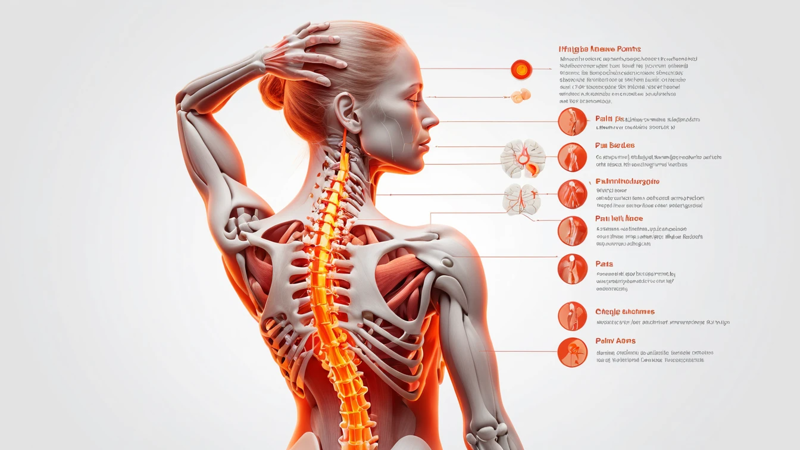
Fibromyalgia pain identification female chart helps you understand symptoms, back pain patterns, and diagnosis clues for better pain management.
A fibromyalgia pain identification female chart helps women recognize common pain areas like the back, neck, and hips. It highlights tender points, pain patterns, and symptom triggers, making it easier to identify fibromyalgia and seek proper treatment.
Fibromyalgia Pain Identification Female Chart Back Pain
Ever feel like your back pain just doesn’t make sense—like it moves, lingers, and refuses to heal no matter what you try? 🤔
Fibromyalgia pain in women often shows up as widespread discomfort, especially in the back, neck, and hips. A fibromyalgia pain identification female chart helps pinpoint these areas and recognize patterns. Unlike typical back pain, fibromyalgia pain is chronic, widespread, and often paired with fatigue, sleep issues, and sensitivity to touch.
What Is Fibromyalgia And Why It Affects Women More 🌸
Fibromyalgia is a chronic condition that causes widespread pain throughout the body. It also includes symptoms like fatigue, brain fog, and sleep problems. Women are more likely to develop fibromyalgia than men, though the exact reason is still unclear.
Hormonal differences may play a role. Estrogen levels can influence pain sensitivity and how the brain processes signals. This can make women more vulnerable to chronic pain conditions like fibromyalgia.
Another reason is that women tend to report symptoms earlier and more frequently. This helps with diagnosis but also shows how deeply this condition affects daily life. Understanding this difference is key when using a pain identification chart.
Understanding Fibromyalgia Pain Patterns In Women 🔍
Fibromyalgia pain is not localized like an injury. Instead, it spreads across multiple areas of the body. The pain may feel dull, aching, burning, or even stabbing at times.
Women often experience symmetrical pain, meaning both sides of the body hurt. For example, pain may appear in both shoulders or both sides of the lower back. This is a major clue when identifying fibromyalgia.
Pain intensity can also change daily. Some days feel manageable, while others are overwhelming. This unpredictability makes tracking symptoms with a chart extremely helpful.
What Is A Fibromyalgia Pain Identification Female Chart 📊
A fibromyalgia pain chart is a visual tool that shows common pain areas. It highlights tender points and helps track symptoms over time. These charts are especially useful for women who experience fluctuating pain.
Doctors often use these charts during diagnosis. They look for patterns in pain distribution and intensity. This helps differentiate fibromyalgia from other conditions.
Using a chart at home can also help you communicate better with your doctor. You can show where pain occurs and how it changes. This leads to more accurate treatment plans.
Common Fibromyalgia Tender Points In Women 💢
Fibromyalgia tender points are specific spots that are sensitive to pressure. These areas are often painful even with light touch. Women tend to have more pronounced tenderness in these spots.
Here are common tender points:
- Neck (front and back)
- Shoulders
- Upper chest
- Lower back
- Hips
- Knees
These points are used as part of diagnosis criteria. If pain is present in multiple areas, fibromyalgia becomes more likely.
Fibromyalgia Pain Chart: Key Areas To Watch 🧭
| Body Area | Pain Description | Common Symptoms |
| Neck & Shoulders | Stiffness, burning | Headaches, tension |
| Upper Back | Aching, tightness | Fatigue, posture issues |
| Lower Back | Deep, dull pain | Muscle spasms |
| Hips | Sharp or throbbing | Sleep disturbance |
| Knees | Tenderness | Mobility issues |
This chart shows how pain spreads across the body. Notice how the back plays a central role in fibromyalgia discomfort.
Why Back Pain Is Common In Fibromyalgia 🧠
Back pain is one of the most reported symptoms in fibromyalgia. The muscles in the back are constantly used, making them more prone to fatigue and strain.
Fibromyalgia affects how the brain processes pain signals. This means even mild muscle use can feel painful. Over time, this leads to chronic back discomfort.
Stress and poor posture can make things worse. Many women also experience muscle stiffness, which adds to the pain. This is why back pain is often the first symptom noticed.
Types Of Back Pain In Fibromyalgia 🔄
Not all back pain feels the same. Fibromyalgia can cause different types of discomfort depending on the area affected.
- Upper Back Pain: Often linked to tension and stress
- Mid Back Pain: Feels like tightness or pressure
- Lower Back Pain: Deep aching and stiffness
Each type can vary in intensity. Recognizing these patterns helps with better symptom tracking and treatment.
How To Differentiate Fibromyalgia Back Pain From Other Conditions ⚖️
Fibromyalgia pain is widespread and persistent. Unlike injuries, it doesn’t improve with rest alone. It also doesn’t show up clearly on imaging tests like X-rays.
Other conditions like arthritis or herniated discs usually affect specific areas. They also have visible physical causes. Fibromyalgia, however, is more about how the nervous system processes pain.
If your back pain comes with fatigue, sleep issues, and brain fog, fibromyalgia may be the cause. A pain chart can help confirm this pattern.
Symptoms That Accompany Fibromyalgia Pain 🧩
Fibromyalgia is more than just pain. It affects the entire body and mind. Women often experience a range of symptoms beyond physical discomfort.
Common symptoms include:
- Chronic fatigue 😴
- Sleep disturbances
- Memory issues (“fibro fog”)
- Headaches
- Sensitivity to light and noise
These symptoms often appear alongside back pain. Together, they create a complex condition that requires careful management.
Daily Fibromyalgia Pain Tracking Chart Example 📅
| Time Of Day | Pain Level (1-10) | Location | Notes |
| Morning | 7 | Lower back | Stiff after waking |
| Afternoon | 5 | Shoulders | Slight relief |
| Evening | 8 | Full back | Increased fatigue |
Tracking pain daily helps identify triggers. It also shows patterns that may not be obvious at first.
Triggers That Worsen Fibromyalgia Back Pain ⚡
Certain factors can make fibromyalgia pain worse. Identifying these triggers is key to managing symptoms.
Common triggers include:
- Stress and anxiety
- Poor sleep quality
- Weather changes
- Overexertion
- Hormonal fluctuations
Avoiding or managing these triggers can reduce pain levels. A chart helps you connect these factors to flare-ups.
Best Ways To Manage Fibromyalgia Back Pain 💡
Managing fibromyalgia requires a combination of strategies. There is no single cure, but relief is possible with the right approach.
Effective methods include:
- Gentle exercise like walking or yoga
- Heat therapy for muscle relaxation
- Stress management techniques
- Proper sleep habits
Consistency is key. Small daily changes can lead to big improvements over time.
Medications And Treatments For Fibromyalgia 💊
Doctors may prescribe medications to manage symptoms. These can help reduce pain and improve sleep.
Common options include:
- Pain relievers
- Antidepressants
- Anti-seizure medications
Treatment plans vary for each person. Always consult a healthcare provider before starting any medication.
Lifestyle Changes That Help Reduce Pain 🌿
Lifestyle plays a huge role in managing fibromyalgia. Healthy habits can reduce flare-ups and improve overall well-being.
Helpful changes include:
- Eating a balanced diet
- Staying hydrated
- Maintaining a regular sleep schedule
- Practicing mindfulness
These habits support the body and reduce stress. Over time, they can significantly lower pain levels.
When To See A Doctor For Fibromyalgia Symptoms 🩺
If your back pain lasts more than three months, it’s time to seek help. Especially if it spreads to other areas and comes with fatigue.
A doctor can evaluate your symptoms and rule out other conditions. They may use a pain chart to assess your condition.
Early diagnosis leads to better management. Don’t ignore persistent pain—it’s your body asking for attention.
Fibromyalgia Pain Chart For Women: Summary Table 📌
| Feature | Fibromyalgia Pain | Regular Back Pain |
| Pain Spread | Widespread | Localized |
| Duration | Chronic | Temporary |
| Cause | Nervous system | Injury or strain |
| Other Symptoms | Fatigue, sleep issues | Rare |
| Response To Rest | Minimal relief | Improves |
This comparison makes it easier to understand the difference. It also highlights why proper identification is important.
Conclusion: Understanding Your Pain Is The First Step 🌈
Fibromyalgia can feel overwhelming, especially when pain seems constant and unexplained. But using a fibromyalgia pain identification female chart gives you clarity. It helps you track symptoms, recognize patterns, and take control of your health.
Back pain is often a major part of fibromyalgia, but it’s only one piece of the puzzle. By understanding your body and working with the right tools, you can manage symptoms and improve your quality of life.
FAQs
What Does Fibromyalgia Back Pain Feel Like?
Fibromyalgia back pain feels like a deep, aching discomfort. It can also include burning or stiffness. The pain often spreads and changes intensity throughout the day.
How To Use Fibromyalgia Pain Chart Daily?
Use the chart to track pain location and intensity. Record symptoms at different times of the day. This helps identify patterns and triggers.
Can Fibromyalgia Cause Severe Lower Back Pain?
Yes, fibromyalgia can cause intense lower back pain. It often feels chronic and doesn’t improve with rest. It may also spread to hips and legs.
Is Fibromyalgia Pain Worse At Night?
Many people report worse pain at night. This is often due to fatigue and poor sleep quality. Pain may feel stronger when the body is at rest.
How Do Women Diagnose Fibromyalgia Early?
Early diagnosis involves tracking symptoms and pain patterns. Doctors look for widespread pain and other symptoms. A pain chart can help speed up the process.